

Leading Micropipette & Scientific Lab, Medical instrument Manufacturer and Deler A Legacy Of Scientific Precision .



Leading Micropipette & Scientific Lab, Medical instrument Manufacturer and Deler A Legacy Of Scientific Precision .
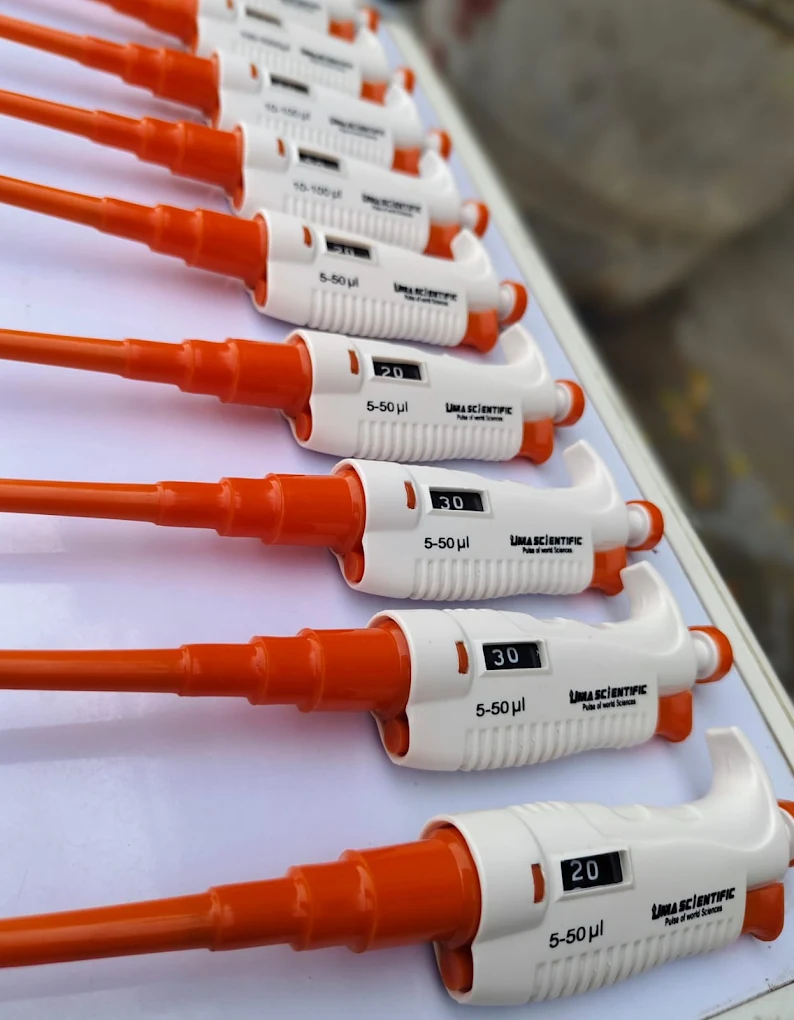
Micropipettes are precision instruments widely used in laboratories to measure and transfer small volumes of liquid, typically in the microliter range (0.1 µL to 1000 µL). These devices are indispensable in scientific research, enabling accurate and reproducible results in fields such as molecular biology, microbiology, biochemistry, and clinical diagnostics. At Uma Scientific, we understand the critical role micropipettes play in ensuring experimental success across laboratories in India, from bustling metropolitan cities like Mumbai and Delhi to emerging research hubs in smaller states like Mizoram and Nagaland.
This SEO-friendly blog post provides a detailed exploration of micropipettes, including their working principles, types, and applications, while highlighting their significance in laboratories across all Indian states. Whether you’re a researcher in Tamil Nadu, a student in Uttar Pradesh, or a lab technician in Assam, this guide will help you understand micropipettes and their essential role in scientific advancement.
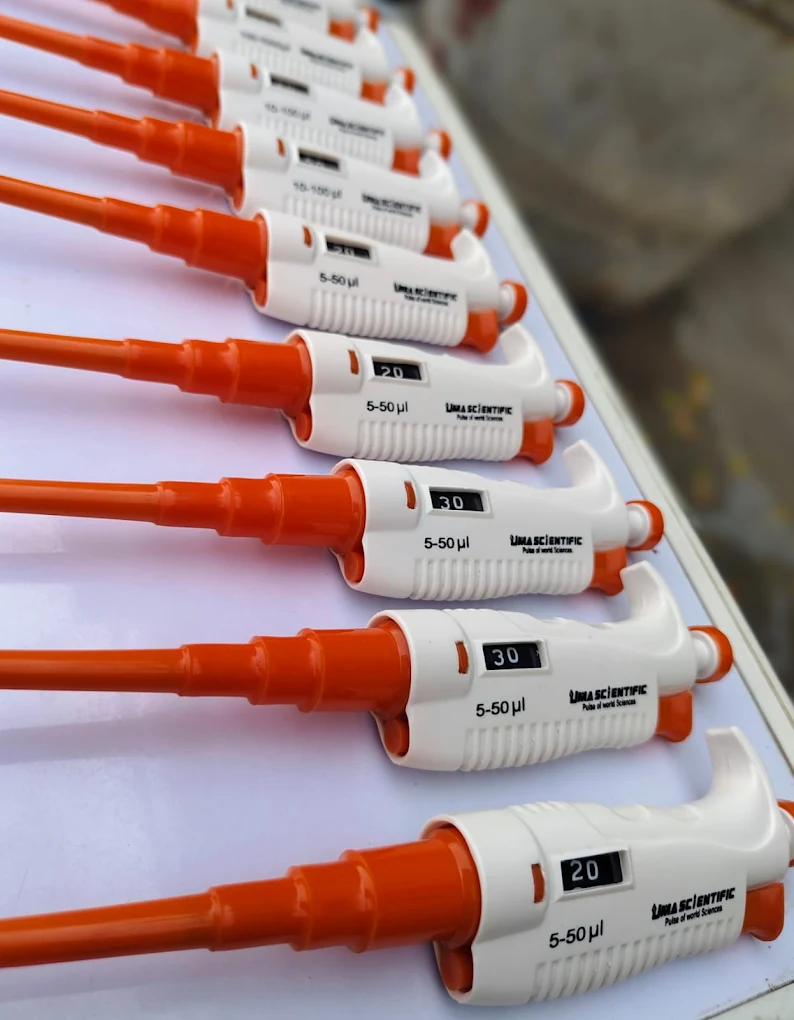
A micropipette is a sophisticated laboratory tool designed to dispense precise volumes of liquid, often as small as 0.1 microliters. Unlike traditional pipettes, which handle larger volumes, micropipettes are engineered for accuracy in handling minute quantities, making them vital for experiments where precision is paramount. They are commonly used in DNA amplification, enzyme assays, and clinical testing, ensuring consistent and reliable results.
Micropipettes are equipped with a piston mechanism that allows for the aspiration and dispensing of liquids through disposable tips, minimizing contamination risks. Their ergonomic design and precise calibration make them user-friendly and efficient, catering to the needs of laboratories in states like Karnataka, West Bengal, and Gujarat.
Micropipettes operate on two primary mechanisms: air displacement and positive displacement. Each mechanism is suited to specific applications, depending on the nature of the liquid being handled.
The air displacement mechanism is the most common type used in laboratories across India, from research facilities in Hyderabad, Telangana, to academic institutions in Jaipur, Rajasthan. This type relies on a piston that moves within a cylinder to create a vacuum. Here’s how it works:
Positive displacement micropipettes are designed for handling viscous, volatile, or dense liquids, such as those used in specialized experiments in Andhra Pradesh or Chhattisgarh. In this mechanism:
Both mechanisms ensure precision, but the choice depends on the liquid properties and experimental requirements. Laboratories in states like Jharkhand, Uttarakhand, and Himachal Pradesh rely on these mechanisms for diverse applications.
Micropipettes come in various types, each tailored to specific laboratory needs. Below are the main categories available at Uma Scientific, serving researchers across India, from Arunachal Pradesh to Goa.
Single-channel micropipettes are the most common, used for transferring a single liquid sample at a time. They are ideal for applications in molecular biology and microbiology labs in cities like Chennai, Tamil Nadu, or Lucknow, Uttar Pradesh. Key features include:
Multi-channel micropipettes, with 8, 12, or 16 channels, allow simultaneous transfer of multiple samples. They are perfect for high-throughput experiments in states like Andhra Pradesh and Karnataka. Features include:
Fixed-volume micropipettes dispense a predetermined volume, making them ideal for repetitive tasks in labs in Assam, Manipur, or Tripura. Benefits include:
Variable-volume micropipettes allow users to adjust the volume within a specific range, offering flexibility for labs in states like Odisha, Jharkhand, and Chhattisgarh. Key points:
Electronic micropipettes, available in single or multi-channel variants, use a battery-powered motor to automate liquid handling, reducing user fatigue in labs in Himachal Pradesh or Nagaland. Features include:
Specialty micropipettes, such as glass-tipped or ultra-macro pipettes, cater to niche applications in states like Mizoram, Arunachal Pradesh, and Goa. Examples include:
Micropipettes are versatile tools with applications spanning multiple disciplines. Below are key uses in laboratories across all Indian states:
In molecular biology labs in cities like Pune, Maharashtra, or Kolkata, West Bengal, micropipettes are essential for:
Microbiology labs in states like Uttar Pradesh, Bihar, and Assam rely on micropipettes for:
Clinical labs across India, from Rajasthan to Kerala, use micropipettes for:
In biochemistry labs in states like Gujarat, Andhra Pradesh, and Chhattisgarh, micropipettes are used for:
Pharmaceutical labs in cities like Ahmedabad, Gujarat, or Chennai, Tamil Nadu, use micropipettes for:
Micropipettes play a crucial role in food safety labs in states like West Bengal, Odisha, and Sikkim for:
Across India, from universities in Delhi to research institutes in Mizoram, micropipettes are used in:
Micropipettes are integral to scientific progress in every Indian state, supporting research and diagnostics in diverse settings:
Using a micropipette correctly ensures accuracy and prevents contamination. Follow these steps, widely practiced in labs across India:
Regular maintenance and calibration are crucial for micropipette accuracy, especially in high-precision labs in states like Andhra Pradesh and Haryana. Key tips include:
To ensure this blog post is SEO-friendly and reaches researchers across India, we’ve incorporated best practices:
Micropipettes are indispensable tools in modern laboratories, enabling precise liquid handling for groundbreaking research and diagnostics across India. From the air displacement micropipettes used in molecular biology labs in Hyderabad to positive displacement models in pharmaceutical labs in Ahmedabad, these instruments drive scientific progress. At Uma Scientific, we are committed to providing high-quality micropipettes to support researchers in every state, from Arunachal Pradesh to West Bengal.
Whether you’re conducting DNA amplification in Tamil Nadu, clinical diagnostics in Kerala, or environmental testing in Himachal Pradesh, understanding the working principles, types, and uses of micropipettes is essential for success. By following best practices and maintaining these precision instruments, laboratories across India can achieve accurate and reproducible results, advancing science and innovation nationwide.
For more information about our micropipettes or to explore our range of laboratory solutions, contact Uma Scientific at sales.umascientific@gmail.com or call +91 7379207507 or +91 7347707507. Let us help you elevate your research with precision and reliability.
